The Brown Bear of the Scandinavian North
Brown Bear ·
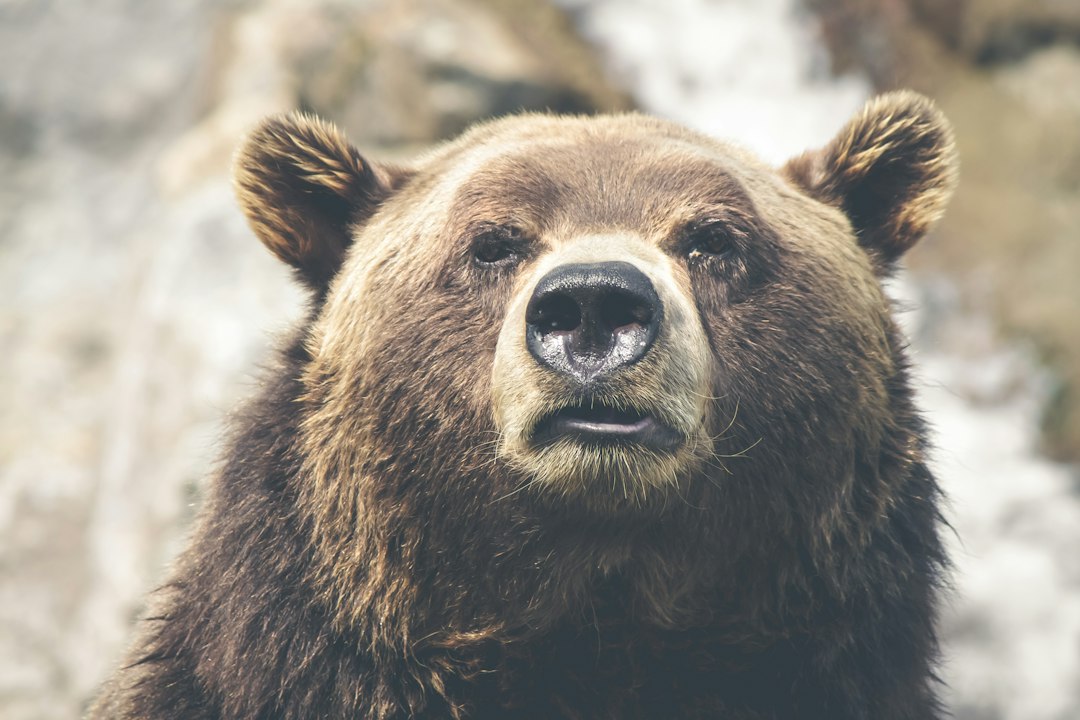
The Brown Bear (Ursus arctos), known in Swedish as Björn, is the largest predator on the Scandinavian peninsula. A symbol of the untamed wilderness, this majestic mammal has shared the forests and fells with humans since the retreat of the ice sheets. In the Nordic context, the bear is often viewed with a mixture of profound respect and cautious distance. Unlike its larger North American cousin, the Grizzly, the Scandinavian Brown Bear is generally shy and elusive, preferring the dense cover of spruce and pine forests to the open tundra.
Habitat and Distribution
In Scandinavia, the Brown Bear population is primarily concentrated in the central and northern regions of Sweden and parts of Norway. While they were once hunted nearly to extinction in the 19th and early 20th centuries, strict conservation measures have allowed the population to stabilize. They thrive in mosaic landscapes where old-growth forests provide cover and bogs offer nutrient-rich vegetation. During the brief but intense Nordic summer, bears are most active, ranging across vast territories to build the fat reserves necessary for their long winter dormancy.
The home range of a male bear can encompass several hundred square kilometers, often overlapping with the smaller territories of multiple females. These animals are highly dependent on the connectivity of the landscape; fragmented forests can hinder their ability to find mates and sufficient food sources. Therefore, the preservation of large, contiguous tracts of woodland is essential for their continued survival in the region.
Diet and Seasonal Behavior
Despite their classification as carnivores, the Scandinavian Brown Bear is an opportunistic omnivore. In the spring, they may hunt moose (älg) calves or scavenge on carcasses left over from the winter. However, as the seasons progress, their diet shifts heavily toward vegetation. By late summer and autumn, the bears enter a state of hyperphagia, where they consume enormous quantities of berries, such as bilberries (blåbär) and lingonberries (lingon), to prepare for hibernation.
"The bear is the king of the forest, not through aggression, but through a quiet mastery of its environment and an extraordinary ability to endure the harshest seasons."
Hibernation, or vintersömn, typically begins in October or November as the first heavy snows fall. The bear retreats to a den, which may be a repurposed anthill, a natural rock cave, or a hole excavated under the roots of a fallen tree. During this period, their heart rate and metabolism drop significantly, allowing them to survive for five to seven months without eating or drinking. It is within these winter dens that pregnant females give birth to their tiny, vulnerable cubs in mid-winter.
Conservation and Coexistence
The relationship between humans and bears in Scandinavia is one of managed coexistence. While the population is currently considered stable, the species remains protected under various European and national legislations. Limited, regulated hunting is permitted in Sweden to manage population density and minimize conflicts with livestock, particularly in areas where reindeer husbandry is practiced by the Sámi people.
- Scientific Name: Ursus arctos
- Weight: Males typically weigh 100–300 kg; females 60–200 kg.
- Lifespan: Up to 25–30 years in the wild.
- Population: Approximately 2,800–3,000 individuals in Sweden.
- Hibernation: Lasts roughly from November to April.
Encounters between hikers and bears are rare, as the animals' keen sense of smell and hearing usually allow them to avoid humans long before they are spotted. For the nature enthusiast, the presence of the bear is often felt through signs rather than sightings: a deep claw mark on a pine trunk, a large footprint in the mud of a forest trail, or the remains of a torn-apart ant mound. These traces serve as a reminder that the Nordic wilderness remains a functioning ecosystem where the great predators still hold their place.
Future Outlook
The future of the Brown Bear in Scandinavia depends on continued public tolerance and the protection of their natural habitats. As climate change alters the timing of the seasons, researchers are closely monitoring how shorter winters and shifting berry harvests might affect the bears' hibernation cycles. By maintaining a balance between human activity and wildlife conservation, Sweden and Norway serve as a global model for how large carnivores can return to a modern landscape and flourish alongside human society.